
Free resources

Discover a world of free resources to nurture your mind, body, and soul.

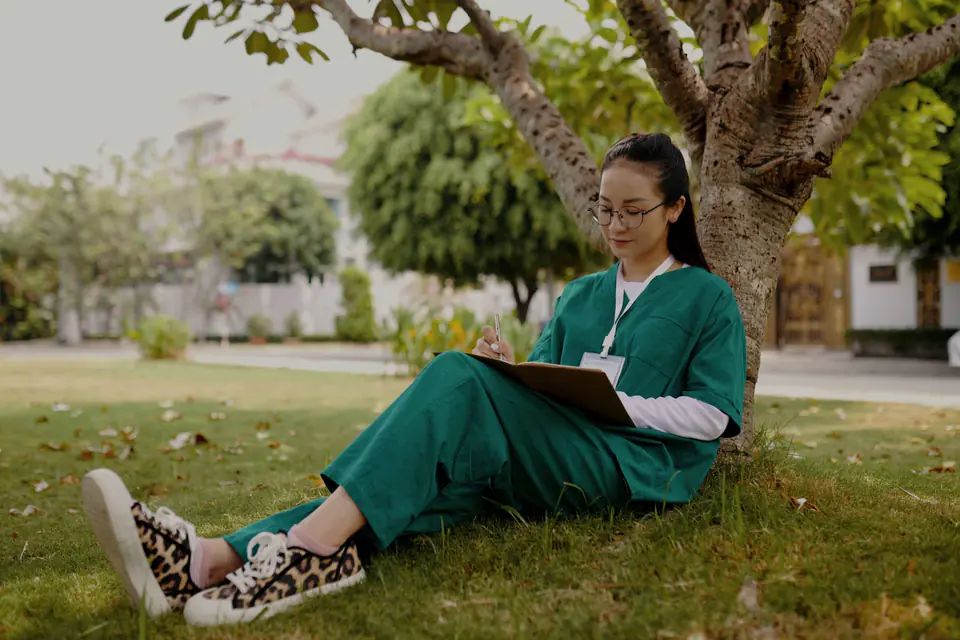
A therapist in green scrubs reading a book on a lawn under a tree

Articles to read

  1. Occupational balance

    Occupational balance is a core focus in occupational therapy. It involves engaging in daily activities that promote well-being without causing overwhelm. Through self-care for the body, mind, and spirit—such as exercising, creative activities, and mindfulness practices—individuals can enhance their overall health and participation in daily life.

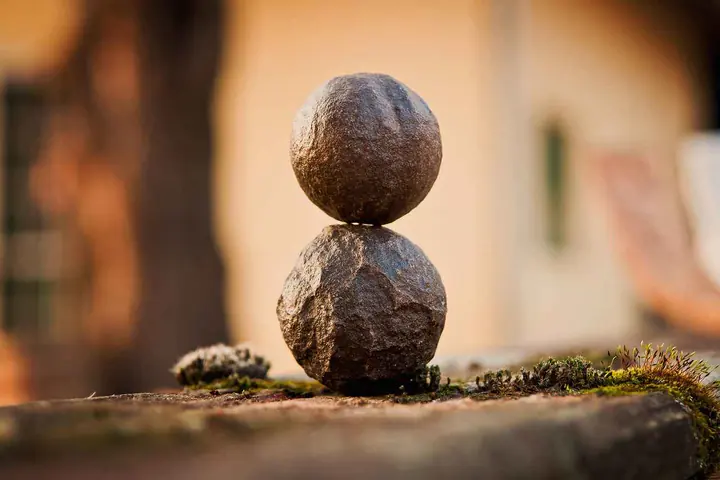
    Two round stones balanced on top of each other
  2. Self-care tips for the workplace

    Quick self-care tips for work breaks include activities like jumping jacks, mindfulness, and gratitude exercises to boost energy and mood. Simple actions like walking or listening to music can improve well-being in just minutes.

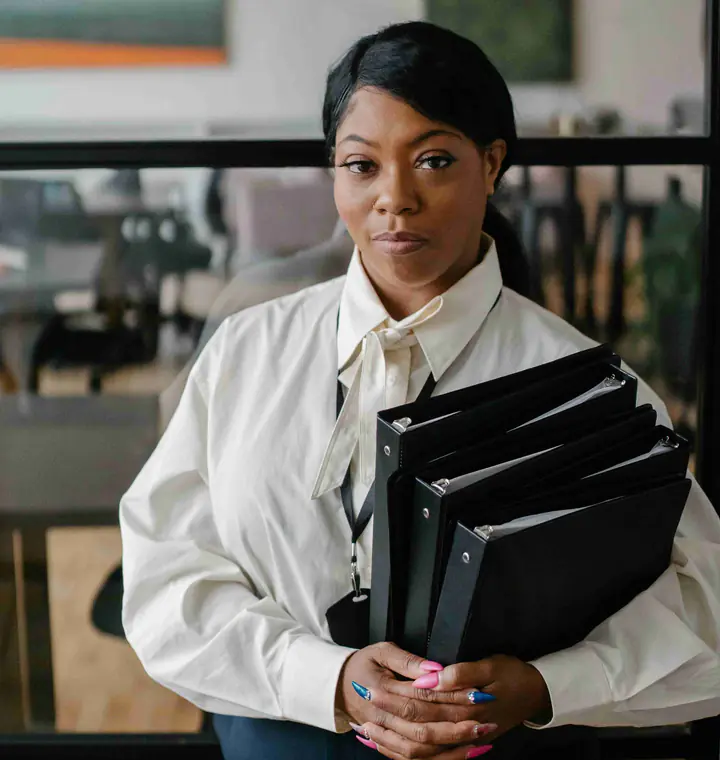
    A woman in a white blouse holding a stack of black files
  3. The importance of gratitude practice

    Practising daily gratitude can boost well-being by helping you focus on the positive, while journaling enhances mindfulness, perspective, and emotional resilience. Create a routine, reflect on blessings, and appreciate life’s simple moments.

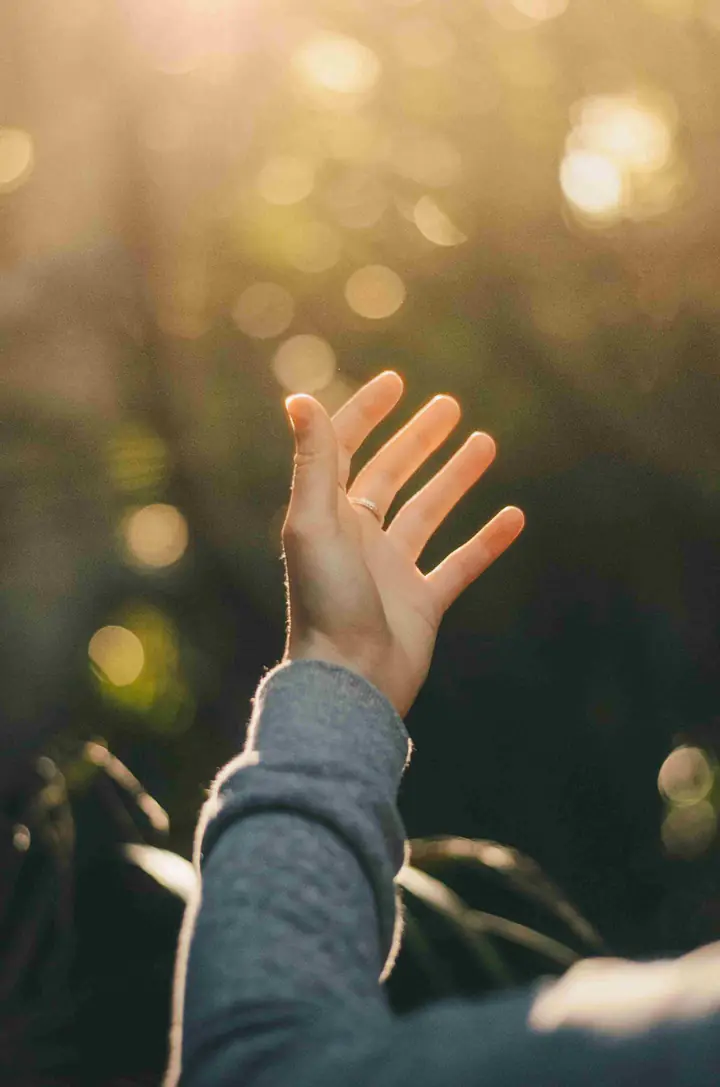
    An open hand raised towards warm light

Relaxation techniques

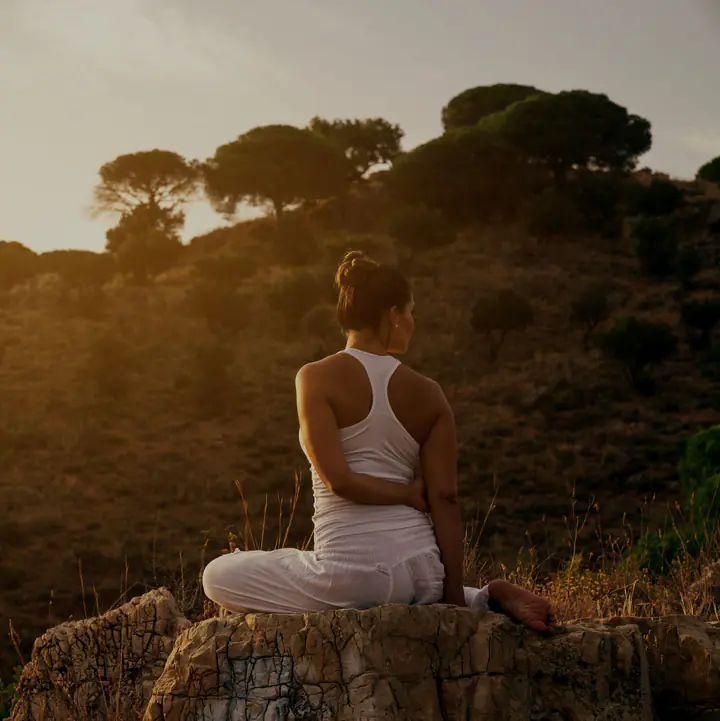
A woman sitting cross-legged on a rock on a hillside at sunset

Progressive relaxation technique

When you have stress or anxiety in your life, one of the ways your body responds is with muscle tension. Progressive relaxation is a technique that helps relieve that tension. In progressive relaxation, you tense a group of muscles as you breathe in, and you relax them as you breathe out. When your body is physically relaxed, you cannot feel stressed.

Practising this technique for a few weeks will help you get better at this skill, and eventually you will be able to use this technique to relieve the stress. If you have trouble falling asleep, this technique may also help with your sleep problems.

Listen now to the progressive relaxation technique audio on OneDrive (opens in a new tab)

Music by: Suzanne Naudé Worship (Facebook) · Email: suzannenaude@gmail.com

Sources and related content: alleviatemyanxiety.wordpress.com (opens in a new tab)
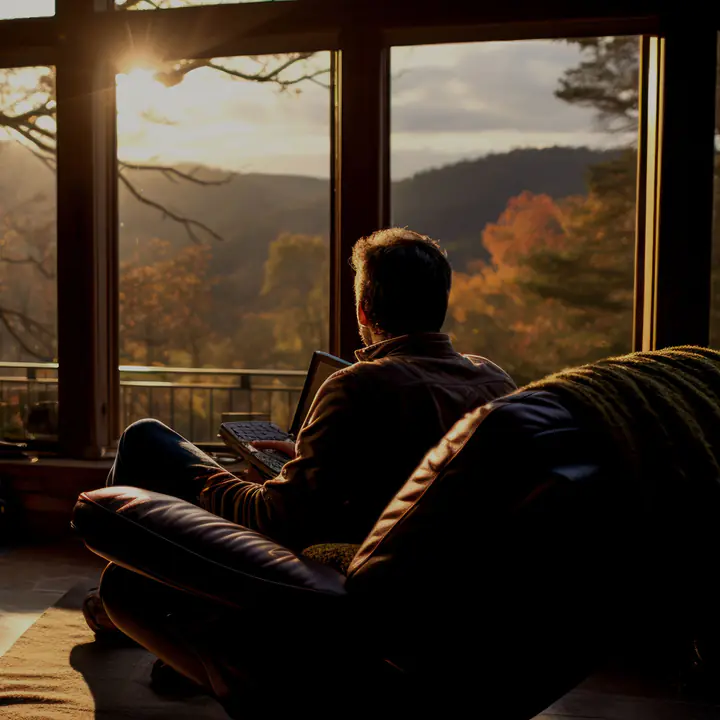
A man resting in an armchair by a large window at sunset

Guided imagery technique

Guided imagery or visualisation involves using your imagination to help your body relax. Just as your body can become tense and stressed in response to thoughts that make you angry or anxious, it can also become more calm and relaxed in response to peaceful, calming, and pleasant thoughts.

One of the easiest ways to use imagery is to close your eyes and imagine being in a place that is peaceful and relaxing to you. It may be a place you have actually been to in the past, or it may be a made-up place in your imagination. It might be a quiet beach; a shady spot in the woods; snuggled in front of a fireplace, or any place that is peaceful and calming to you.

You can learn how to use all of your senses in your imagination. You can use this as a regular relaxation exercise or in stressful times when you need to relax.

Listen now to the guided imagery technique audio on OneDrive (opens in a new tab)

Music by: Suzanne Naudé Worship (Facebook) · Email: suzannenaude@gmail.com

Sources and related content: alleviatemyanxiety.wordpress.com (opens in a new tab) exceptionalwellnesscounseling.com (opens in a new tab)

Benefits of relaxation techniques

Here are some of the known benefits of regularly applying relaxation techniques:

  • Decreased heart rate and respiration rate
  • Lowered blood pressure and increased blood flow
  • Decreased anxiety, depression, and insomnia
  • Relaxed muscles
  • Reduced pain (long-term illnesses, chronic conditions)
  • A boost in energy and better sleep patterns
  • A sense of calmness and confidence
  • Improved coping abilities

Source: exceptionalwellnesscounseling.com (opens in a new tab)